
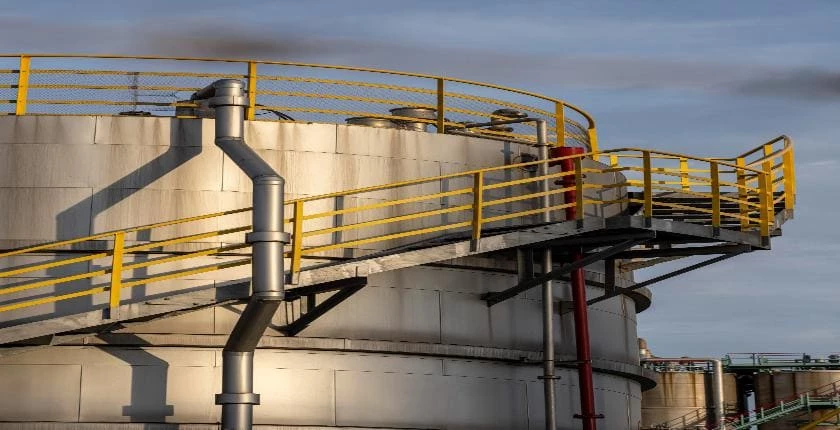
Attenuation Tank & Storage Design
Get in TouchThe Flood Protection Associates provides Attenuation Tank & Storage Design for residential, commercial and infrastructure developments. The service helps control surface water runoff, reduce flood risk and support sustainable drainage strategies that meet planning and engineering requirements.
What Is Attenuation Tank & Storage Design?
Attenuation Tank & Storage Design is the engineering process of calculating and specifying systems that temporarily store stormwater before releasing it at a controlled rate. The Flood Protection Associates designs storage solutions that reduce peak flow rates and help protect drainage networks from overload.
Designs are based on rainfall data, site conditions, drainage requirements and allowable discharge rates.
What Types of Attenuation Tank & Storage Design Are Available?
The Flood Protection Associates provides Attenuation Tank & Storage Design for a wide range of development projects. The appropriate solution depends on site constraints, storage volume and drainage objectives.
Geocellular attenuation tanks – Modular underground systems offering high storage capacity.
Concrete attenuation tanks – Durable storage solutions for larger developments.
Oversized pipe storage – Pipes designed to provide temporary stormwater storage.
Surface attenuation basins – Open storage areas that temporarily retain runoff.
Integrated SuDS storage systems – Storage combined with other sustainable drainage features.
Each design is tailored to the site's drainage calculations and planning requirements.
When Is Attenuation Tank & Storage Design Needed?
Attenuation Tank & Storage Design is required when developments must control the rate of surface water discharge. The Flood Protection Associates provides designs that help developments satisfy planning conditions while reducing downstream flood risk.
Typical projects include:
New housing developments
Commercial buildings
Industrial facilities
Schools and public buildings
Retail parks
Highway and infrastructure schemes
Redevelopment projects
Early drainage design can help prevent delays during the planning process.
How Does Attenuation Tank & Storage Design Work?
Attenuation Tank & Storage Design follows a structured engineering process. The Flood Protection Associates develops designs based on site-specific drainage requirements.
Site assessment – Existing drainage conditions and constraints are reviewed.
Hydrological calculations – Rainfall, runoff and storage requirements are calculated.
Storage system design – Suitable attenuation systems are selected and sized.
Flow control design – Discharge rates are designed to meet approval requirements.
Technical reporting – Drawings and calculations support planning and construction.
Most design projects are completed within 1 to 3 weeks, depending on project size and available survey information.
Who Needs Attenuation Tank & Storage Design?
Attenuation Tank & Storage Design supports developments requiring effective surface water management. The Flood Protection Associates works with clients across multiple construction and property sectors.
Typical clients include:
Property developers
House builders
Architects
Civil engineers
Planning consultants
Commercial property owners
Local authorities
Every design is developed to suit the project's drainage objectives and site conditions.
How Much Does Attenuation Tank & Storage Design Cost?
Attenuation Tank & Storage Design typically costs from around £800 to £5,000 depending on project complexity, storage requirements and supporting calculations. The Flood Protection Associates provides tailored quotations for each development.
Typical cost ranges include:
Small residential developments – around £800 to £1,500.
Medium commercial projects – around £1,500 to £3,000.
Large or complex developments – from approximately £3,000 to £5,000+.
Final costs depend on site size, hydraulic modelling requirements and planning documentation.
What Are the Benefits of Attenuation Tank & Storage Design?
Attenuation Tank & Storage Design improves drainage performance and helps developments manage stormwater responsibly. The Flood Protection Associates produces practical drainage designs that support long-term flood resilience.
Benefits include:
Reduced surface water flood risk
Controlled discharge to drainage networks
Support for planning applications
Improved sustainable drainage performance
Efficient use of available land
Long-term drainage reliability
Well-designed attenuation systems help developments cope with intense rainfall events more effectively.
What Regulations Apply to Attenuation Tank & Storage Design?
Attenuation Tank & Storage Design is typically prepared in accordance with recognised UK drainage guidance. The Flood Protection Associates develops designs that support planning and drainage approval requirements.
Relevant guidance may include:
Building Regulations Approved Document H
CIRIA SuDS Manual (C753)
National Planning Policy Framework flood risk guidance
Non-Statutory Technical Standards for Sustainable Drainage Systems
Lead Local Flood Authority and Local Planning Authority drainage requirements
Specific requirements vary according to the development and local authority.
Attenuation Tank & Storage Design: Frequently Asked Questions
How Long Does Attenuation Tank & Storage Design Take?
Attenuation Tank & Storage Design generally takes between 1 and 3 weeks depending on the project's complexity, available surveys and drainage calculations required.
How Much Does Attenuation Tank & Storage Design Cost?
Attenuation Tank & Storage Design usually costs between £800 and £5,000 depending on storage volume, hydraulic calculations and supporting technical documentation.
How Long Do Attenuation Tanks Last?
Properly specified attenuation tanks commonly provide a service life of 50 years or more, depending on the construction material, installation quality and maintenance programme.
Do Attenuation Tanks Require Maintenance?
Yes. Attenuation systems should normally be inspected at least once every 6 to 12 months to remove sediment, check flow controls and maintain storage performance.
Are Attenuation Tanks Suitable for All Developments?
Attenuation Tank & Storage Design is suitable for many residential, commercial and industrial developments where controlled surface water discharge is required. Site investigations and drainage calculations determine the most appropriate solution.
Get a Free Quote for Attenuation Tank & Storage Design
The Flood Protection Associates provides Attenuation Tank & Storage Design for developments of all sizes. Discuss your drainage requirements with the team and receive a tailored quotation.
Related Attenuation Tank & Storage Design Services
Attenuation storage is commonly incorporated into SuDS design to control peak surface water flows from development sites.
Storage calculations are supported by surface water drainage assessments, ensuring sufficient capacity is provided for design storm events.
Complete drainage proposals are presented within drainage strategy and drainage statements submitted as part of the planning process.
Where infiltration drainage is suitable, soakaway design can work alongside attenuation systems to improve overall drainage performance.
Ground infiltration rates established through percolation testing help determine the most appropriate drainage solution.
Future maintenance responsibilities are detailed within our SuDS maintenance and management plans, supporting the long-term operation of drainage assets.